
 About Hantavirus Pulmonary Syndrome (HPS)
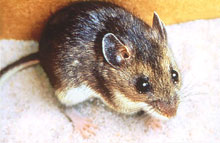
Hantavirus Pulmonary Syndrome (HPS) is an uncommon respiratory disease caused by hantaviruses, most often the Sin Nombre virus. Though rare, HPS can be fatal. Deer mice are the primary carriers for the virus though other rodents can carry the virus as well. The virus is shed in the droppings, urine, and saliva of rodents. Humans can become infected when they inhale the virus, which can get into the air when rodent droppings, urine, or nesting materials are agitated. Humans cannot transmit the virus to one another (e.g. close contact with or providing healthcare to someone who is infected). You also cannot get the virus from a blood transfusion in which the blood came from a person who became ill with HPS and survived.
Hantavirus overview (CDPH) Hantavirus overview
Where is Hantavirus found?
Hantavirus is found in all regions of the United States. Deer mice are the primary carriers, along with cotton rats and rice rats in the southeastern states and the white-footed mouse in the Northeast. Potential sites where people may be exposed include areas that offer a habitat for rodents: rural areas, forests, fields, farms, barns, outbuildings, and sheds.
According to the CDC, there are several other ways rodents may spread Hantavirus to people:
- If a rodent with the virus bites someone, the virus may be spread to that person, but this type of transmission is rare.
- Researchers believe that people may be able to get the virus if they touch something that has been contaminated with rodent urine, droppings, or saliva and then touch their nose or mouth.
- Researchers also suspect people can become sick if they eat food contaminated by urine, droppings, or saliva from an infected rodent.
What is Alameda County doing to control the spread of Hantavirus?
According to Alameda County Vector Control Services District (ACVCSD), deer mice, the reservoir animals of the Sin Nombre virus that causes human Hantavirus Pulmonary Syndrome (HPS), are abundant and widely distributed in Alameda County, especially in rural communities and in housing developments that are built adjacent to wild, open areas. ACVCSD staff has conducted hantavirus surveillance in Anthony Chabot, Del Valle, Redwood, Sunol, and Tilden Regional Parks, as well as in different locations in Oakland, Dublin, Fremont, Pleasanton, and Livermore. Positive antibodies of the Sin Nombre virus have been identified in deer mice. Any person exposed to rodent urine, droppings or nesting material when cleaning an abandoned outhouse, dilapidated barn, horse stable, cabin, or storage shed should take precautions and follow the Rodent Clean Up recommendations.