
Hepatitis B Basics
 Hepatitis B virus (HBV) is a virus that infects the liver and can be categorized into two types of infection: acute or chronic. People with acute HBV usually experience symptoms for about 6 months and usually clear the virus completely, meaning they are no longer contagious and are immune from future infection. Those with chronic HBV will experience a lifelong infection that, without treatment, can lead to serious or life-threatening diseases such as liver cancer or cirrhosis.
Monitoring and medical treatment can slow or prevent damage to the liver, but an HBV-positive individual will be contagious for the rest of their lives. The virus is present in an infected person’s blood and semen and can be transmitted through contact with blood, unprotected sex, or through the sharing of IV drug needles. There is also vertical transmission from mother to child during childbirth. HBV cannot be transmitted through saliva, sneezing, coughing, or casual contact, such as hugging or kissing.
There is an excellent vaccine available to prevent infection with Hepatitis B virus which requires 2-3 doses to be most effective. It is recommended for all infants and is given as part of a child’s routine vaccination series, starting with the first dose at birth. Some adults who were not vaccinated as children may benefit from the vaccine as well.
For more information about Hepatitis B, those who are particularly at risk for contracting the disease, and tips on preventing the disease, visit the California Department of Public Health Hepatitis B and Prevention page on HBV.
Hepatitis B and Childbirth
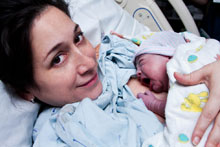 A woman who is chronically infected with hepatitis B cannot infect her baby in the womb during gestation. The Hepatitis B virus also cannot be spread through breastfeeding or saliva. However, during labor, the newborn will come into contact with the mother’s blood and be exposed to the virus, risking infection. Precautions do exist to help protect these babies from contracting the virus at this time, with great results.
Every year, thousands of infants in the United States are born to mothers with chronic hepatitis B, placing them at risk for infection without appropriate prevention measures. If measures are not taken to protect these newborns, 10% of them will contract the virus. Because of their undeveloped immune systems, only 10% of those infected will be able to clear the disease, meaning approximately 90% may become chronically infected and be put at lifelong risk for liver cancer or cirrhosis, making it vitally important to prevent infection during childbirth. In comparison, only about 2-6% of adults who contract the virus will develop a chronic infection. The others will suffer from the acute disease and its symptoms for up to six months and then will clear the virus and gain immunity. At the Perinatal Hepatitis B Program, we make sure that all babies born to HBV-positive mothers are given the proper treatments to prevent infection from exposure to the virus during birth.
As part of the recommended immunization schedule for infants, most babies born in the United States are routinely given a dose of the Hepatitis B vaccine the day they are born and will receive 2-3 more doses throughout infancy. This is enough to ensure lifelong protection from the virus. For babies born to HBV-positive mothers, it is especially important that babies receive their first dose within 12 hours of birth. Additionally, these babies will receive a shot of Hepatitis B Immunoglobulin (also called HBIG), which provides the infant with immediate protection from the virus by helping their immune system prevent infection. Our program ensures that both mothers and the birthing hospitals they visit know about these safety measures and implement them in a timely manner to protect the baby.
Useful Information for a Safe Pregnancy and Delivery

During Pregnancy
- If you are unsure of your HBV status, make an appointment with your physician and make a request for a blood test to check for HBV antibodies.
- If you are at risk for disease and test negative for the virus, go to your physician’s office and get the vaccine.
- Avoid the consumption of alcohol. It is harmful to the liver and to the baby’s fetal development. Alcohol can also increase the rate at which your liver is damaged.
- Follow any and all other prenatal care steps instructed by your primary physician.
During Delivery
- Inform your physician of your positive HBV status.
- Advise the physician that your newborn must receive the first dose of HBV vaccine as well as the HBIG, a shot that provides immediate protection from the virus, within 12 hours of birth.
After Delivery
- Be sure to complete your child’s full HBV vaccine series by visiting their pediatric care doctor’s office on a regular basis. Try to have their hepatitis B series completed by age 6 months.
- After the HBV vaccine series is completed, request a blood test in order to be sure that the child has developed protection from the virus. The pediatrician will request a surface antigen and a surface antibody test.
- If a baby does not show sufficient levels of protection, it will be recommended that the series of three vaccinations be repeated.
- While over 90% of infections in the Perinatal Hepatitis B Program are prevented, sometimes a baby is found to be chronically infected too. When that happens, it is important for everyone to know the lifelong precautions, monitoring, care, and treatment that the child will need.